Alternative App Distribution: A Strategic Buffer During Reinstatement Delays
Introduction
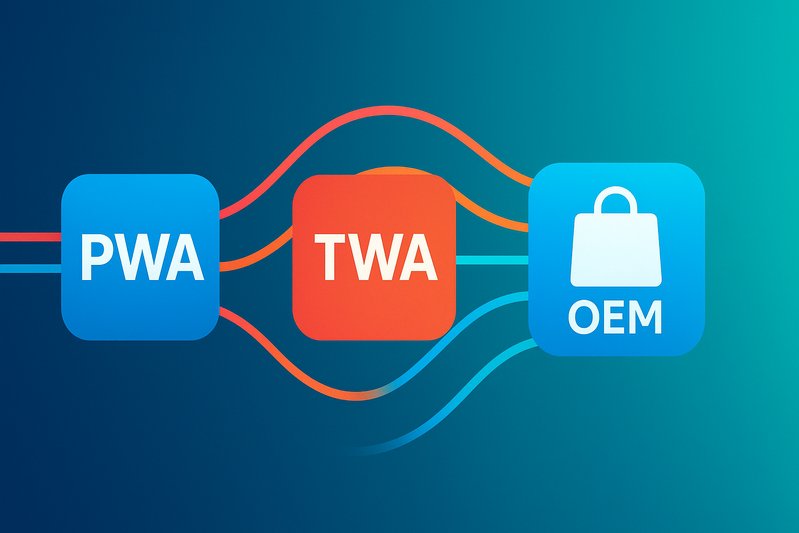
In the dynamic world of mobile applications, developers often face regulatory challenges that can disrupt their distribution channels. Particularly for AI applications, unexpected bans from platforms like Google Play can halt operations suddenly. While addressing compliance and appealing for reinstatement are essential, developers must also explore alternative distribution strategies to mitigate the impacts of such disruptions. Progressive Web Apps (PWAs), Trusted Web Activities (TWAs), and OEM stores present viable options to ensure business continuity during these critical periods.
Understanding the Challenge
When an app is removed from Google Play due to compliance issues, reinstatement is not immediate. Developers must align their apps with Google’s stringent policies and submit a comprehensive appeal. Key areas of focus include data safety, user-generated content moderation, and AI output transparency. Additionally, regional legal compliance across jurisdictions like the EU and US further complicates the reinstatement process (Google Play Developer Policy Center). Meanwhile, businesses face financial pressures from halted app downloads and potential user churn.
Exploring Alternative Distribution Options
Progressive Web Apps (PWAs) and Trusted Web Activities (TWAs)
PWAs offer a promising route by providing a web-based solution that mimics native app functionalities. They are accessible through browsers and can be pinned to home screens. TWAs improve upon PWAs by allowing these web apps to be packaged and distributed on some app markets without developing a completely native app. This dual strategy supports seamless updates and cross-platform compatibility, which are especially crucial during a ban-related blackout. Deploying a PWA or TWA allows app functionality to resume while developers work on regulatory fixes (Trusted Web Activity – Chrome Developers).
Direct APK Sideloading
Sideloading offers another avenue, enabling users to download the APK directly from a developer’s website. While this method provides complete control over distribution and monetization, it lacks the trust associated with official app stores. Moreover, Google’s Play Protect might flag or block sideloaded apps, complicating user experience and risking further user attrition (Developer Guidance for Google Play Protect Warnings).
OEM and Regional App Stores
Alternative app stores like the Samsung Galaxy Store, Amazon Appstore, and Huawei AppGallery can also serve as effective distribution channels during reinstatement delays. Each comes with its own set of policies but offers access to significant user bases, especially in regional markets. Developers must integrate specific SDKs and adhere to each store’s billing requirements, but these platforms can offer stability and reach while keeping the app accessible to a broad audience (Samsung Galaxy Store – Publish, Amazon Appstore – Apps and Games, Huawei AppGallery – Developer).
Weighing the Trade-offs
While alternative distribution networks provide immediate relief, they come with operational challenges. PWAs may not fully replicate native app features, potentially limiting user engagement. Sideloading demands that users bypass system warnings, a step that can deter many. OEM stores, though reliable, require effort to integrate and comply with diverse app store rules.
Developers must balance these risks against the potential for maintaining user engagement and revenue flow. The key is to tailor the distribution strategy to target audiences and market preferences. For instance, regions with a strong Huawei device presence would benefit most from focusing on AppGallery integration.
Conclusion
Developers should never rely solely on a single platform for app distribution, especially in a landscape marked by regulatory scrutiny. By diversifying distribution strategies through PWAs, TWAs, sideloading, and OEM stores, developers can buffer their business against the uncertainties of platform compliance and reinstatement timelines. These alternatives demand initial effort but provide essential business continuity, mitigating the financial impacts of Google Play bans.
In an ever-evolving regulatory environment, being proactive in distribution strategies can afford greater resilience and sustained growth for AI applications.
Adopting a diversified distribution approach not only helps mitigate risks associated with app store removals but also aligns with broader strategic goals to ensure long-term viability and user retention.
Sources & References
