Application Frameworks and Servers: Navigating the Stop Process
Understanding Stop Dynamics in Application Frameworks
In the complex ecosystem of modern digital infrastructures, the term “stop” is often overloaded, yet crucial in maintaining service reliability and data integrity. Whether it’s managing microservices on Kubernetes or handling graceful shutdowns in Go HTTP servers, understanding how stop operations work is essential for developers and system administrators alike.
The Crucial Role of Stop Operations
Stop operations play a pivotal role, acting as the bridge between maintaining application health and ensuring graceful terminations, to prevent data loss or corruption. This involves processes ranging from system signals like SIGTERM and SIGKILL in Unix to service stop controls in Windows environments. These operations are not just about halting processes but ensuring that they complete critical tasks, such as flushing data or closing active connections.
gRPC Servers: Immediate vs. Graceful
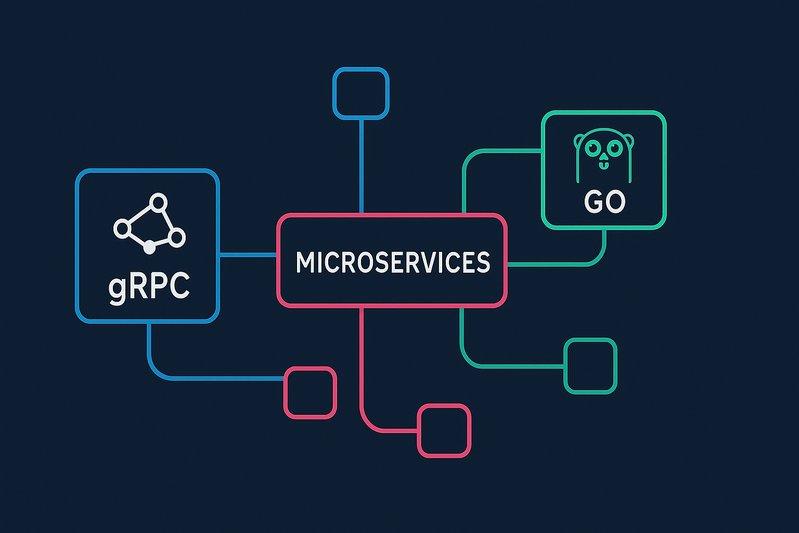
In gRPC, the Server.Stop method immediately closes all connections and cancels ongoing RPCs, often resulting in client-visible errors and potential data loss if used prematurely. Conversely, Server.GracefulStop allows for the completion of in-progress RPCs before closing, making it the preferred method for ensuring data integrity and client trust (source). Using a supporting deadline or timeout, developers can plan for worst-case scenarios, ensuring all tasks conclude even if delays occur.
Go HTTP Server: Managing Connections
For Go HTTP servers, Server.Shutdown(ctx) facilitates a controlled shutdown by closing listeners and waiting for all active requests to finish. This method ensures no new requests are accepted while active connections are gracefully closed. However, servers must also handle timeout configurations to guard against stalling, especially in the presence of long-lived sessions or websocket connections (source).
Application in Container Ecosystems
Docker: Timely and Correct Stops
When managing Docker containers, the default behavior sends SIGTERM followed by SIGKILL after a set timeout. This two-step process allows applications a chance to cleanly exit, avoiding data inconsistency seen with abrupt stops (source). Operators can customize the stop timeout and signal through container configurations to better meet application-specific exit criteria.
Kubernetes: Orchestrating Safety and Control
Kubernetes handles Pod termination by initially sending SIGTERM, followed by SIGKILL if the termination grace period is exceeded. The system allows for lifecycle hooks, like preStop, which enable custom scripts that prepare applications for termination, enhancing reliability and data protection (source). This functionality is especially critical in maintaining stateful applications within cloud environments.
Managing Distributed Workloads in the Cloud
In cloud environments, managing the stop/start lifecycle can have profound impacts on both service continuity and billing. For instance, on AWS, EC2 instances need to be properly configured with DisableApiStop settings to avoid unexpected operational failures. On Azure, the distinction between “Stopped” and “Stopped (deallocated)” can affect cost efficacy, requiring clear articulation in operations manuals to avoid unexpected expenses (source).
Towards a Reliable Stop Strategy
Best Practices and Operational Readiness
Effective stop strategies must incorporate signal handling for graceful service exits across platforms. This includes configuring lifecycle hooks, ensuring correct signal propagation in containers, and setting adequate grace periods for comprehensive service shutdowns. Deploying container init processes and leveraging cloud-native tools like AWS CloudTrail and Azure Activity Log augment operational readiness at scale (source).
Conclusion: Building Resilience in Service Operations
The ability to coordinate effective stop operations is a hallmark of resilient, high-performing applications. From reducing downtime to safeguarding data, the precision of stop processes in diverse environments — application frameworks, container ecosystems, and cloud infrastructures — underscores their value. By proactively tuning configuration settings and embracing graceful termination practices, organizations can enhance their operational stability, thereby fostering trust and reliability among users.
Sources & References
