Asset Performance Management: Predicting the Future of Energy Efficiency
Unleashing the Potential of Predictive Maintenance through Advanced Analytics and IoT in the Energy Sector
Amidst the global push toward sustainability and energy efficiency, the role of technology in optimizing energy sector operations has never been more critical. The emergence of Asset Performance Management (APM) systems, driven by the integration of the Internet of Things (IoT), predictive analytics, and advanced machine learning techniques, is set to revolutionize the way energy utilities and power generations are managed. As the industry braces for this transformation, understanding the future landscape of APM is essential.
The Rise of IoT in Asset Performance Management
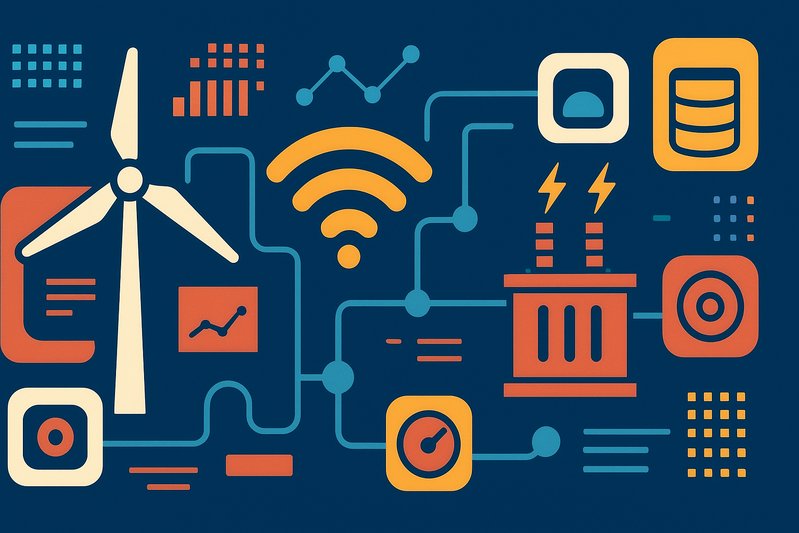
At the core of APM is the deployment of IoT sensors across operational infrastructures, enabling real-time data collection from various assets such as turbines, transformers, and substations. These sensors deliver critical information on equipment’s operational status, which, when coupled with historical maintenance data, aids in crafting predictive maintenance models. This real-time visibility allows operators to foresee maintenance needs, thereby reducing downtime, enhancing safety, and making decisions based on actual asset conditions rather than reactive measures.
Utilities often face the challenge of managing aging infrastructure. As noted in recent studies, leveraging APM systems equipped with advanced machine learning can significantly increase the availability of these aging assets by predicting failures before they occur, leading to a reduction in forced outages and maintenance costs (GE Digital APM).
Predictive Maintenance: From Reactive to Proactive
Traditional reactive maintenance strategies in the energy sector depend heavily on scheduled or emergency repairs, which can lead to increased operational costs and extended downtimes. Predictive maintenance, on the other hand, utilizes data-driven insights to predict equipment failures ahead of time. This predictive capability empowers grid operators to transition from a reactive approach to a more efficient, proactive strategy.
The integration of IoT technology within APM systems also facilitates enhanced fleet-level benchmarking and analytics. Cloud-based solutions enable the aggregation of data from multiple sources, delivering powerful insights into overall system performance and aiding in the optimization of energy production processes. For instance, Siemens Energy’s Omnivise suite provides utilities with advanced digital solutions to enhance asset availability and optimize maintenance workflows (Siemens Energy Omnivise).
Strategic and Compliance Advantages
Asset Performance Management systems not only offer operational efficiencies but also provide strategic advantages that align with regulatory compliance. In North America, for instance, compliance with NERC Critical Infrastructure Protection (CIP) standards ensures that critical infrastructures are secure and resilient. Simultaneously, IEC 62443 standards play a crucial role in governing industrial communication networks, requiring robust cybersecurity measures for integrated systems (NERC CIP; IEC 62443).
Integrating APM systems with existing SCADA infrastructures allows for consistent data flow and security across operational networks. This integration ensures that in addition to meeting regulatory frameworks, utilities can implement strategic risk management practices, thus safeguarding not only the physical infrastructure but also the data integrity of their operational systems.
Challenges and Future Outlook
While the benefits of IoT-based APM systems are clear, challenges such as sensor data quality, cross-site data generalization, and the adaptation of legacy systems persist. Ensuring sensor calibration, maintaining data integrity, and implementing effective change controls are crucial steps needed to address these issues.
Looking towards the future, the approach to asset management and maintenance is anticipated to incorporate dynamic capabilities such as distributed energy resources (DERs) forecasting and virtual power plant (VPP) integrations. By 2027, these technologies are expected to seamlessly blend with APM solutions, enabling utilities to optimize energy distribution effectively. Furthermore, market signals and regulatory trends will drive further innovation and technology adoption in this field.
Conclusion
Asset Performance Management systems, bolstered by IoT and predictive analytics, are poised to redefine efficiency and reliability within the energy sector. By enabling predictive maintenance and empowering operators with data-driven insights, APM systems are not only enhancing operational efficiencies but also aligning with stringent regulatory standards. As these technologies evolve, they offer a future where energy utilities are not merely reactive to demands but are proactively managing and optimizing resources for sustainable and efficient outcomes.
In conclusion, APM combined with IoT stands as a testament to innovation driven by necessity, promising a sustainable future in energy management through proactive maintenance and data-driven decision-making.