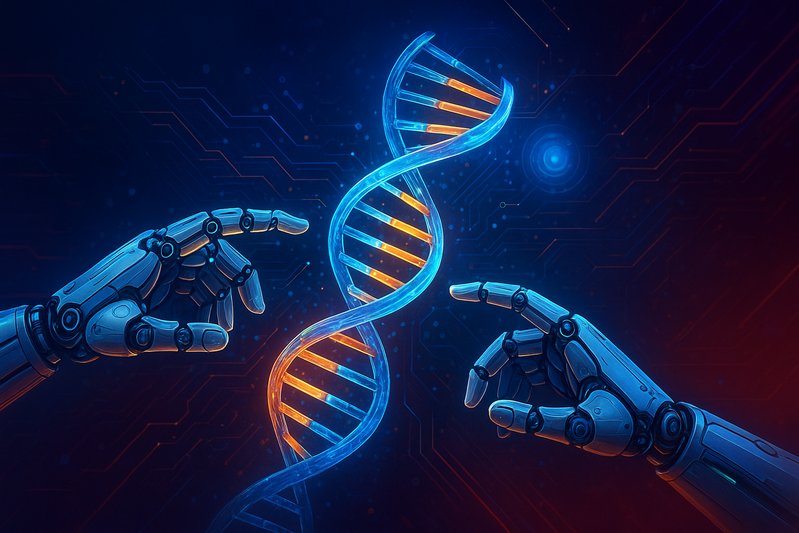
Biotech Breakthroughs: How Gene Editing Transforms Healthcare in 2026
A Journey from Science Fiction Fantasies to Tangible Health Solutions
In 2026, the line between science fiction and reality blurs as groundbreaking advancements in biotechnology reshape our understanding of healthcare. Among the most transformative are CRISPR-based therapies and engineered foods, heralding a new era in medical treatment and food production that once seemed confined to the pages of sci-fi novels.
The Rise of CRISPR: A New Era in Medicine
CRISPR, a revolutionary gene-editing technology, has made its way from research labs to hospital treatments. In December 2023, the FDA approved the first cell-based gene therapies for sickle cell disease, marking a significant milestone in biotechnology. These ex vivo therapies employ CRISPR technology to edit genes outside the human body, offering targeted treatments for genetic disorders 1.
This progress ushers in tangible outcomes: patients now benefit from therapies that specifically target and correct genetic mutations responsible for debilitating conditions. However, the journey from fiction to treatment is not without challenges. Ensuring the long-term safety of gene editing, managing off-target effects, and addressing ethical concerns remain critical 1.
Engineered Foods: Cultivated Meat Hits the Market
Parallel to advancements in medical therapy, the food sector witnesses its own revolution. In 2023, the USDA granted approval for the sale of cultivated chicken, produced without slaughtering animals. This approval marked another instance of sci-fi-inspired technology making its way into everyday life 2.
Cultivated meat offers numerous advantages: it reduces environmental impact, offers a humane alternative to traditional farming, and meets the growing demand for sustainable protein sources. Despite these benefits, challenges such as public perception, regulatory hurdles, and scaling production remain 2.
The Implementation Challenges
Overcoming Barriers in Biotech
The approval and commercialization of CRISPR therapies represent immense scientific achievements, but the road is paved with obstacles. Manufacturing quality and consistency, long-term efficacy validation, and reimbursement strategies are critical components requiring meticulous planning and execution 1. The variability in international regulatory standards adds another layer of complexity, as regions like Europe and APAC navigate distinct paths to approval 1.
Navigating the Novel Food Landscape
For engineered foods, regulatory approval is just the beginning. Issues such as standardized labeling, consumer perception, and market acceptance are pivotal for the successful deployment of these products. The interplay between science and policy becomes crucial, as does addressing the ethical implications of cultured meat 2.
The Broader Context
A Symbiosis of Sci-Fi and Reality
The influence of science fiction extends beyond biotechnology, inspiring advancements in AI, autonomous systems, climate technology, and more. GPT-4o, a real-time multimodal AI model, exemplifies the cross-pollination between futuristic storytelling and technological development [2-4]. Similarly, virtual production has benefited from innovations initially imagined in science fiction worlds [1,6,13].
Regional Regulatory Differences
The adoption of these innovations also hinges on regional regulatory environments. The EU’s AI Act, for instance, imposes rigorous standards on high-risk AI systems, shaping the tech landscape differently than the often more flexible US frameworks [2-3]. This regional divergence reflects broader challenges in aligning global standards, particularly for biotech and AI [8-9].
Conclusion: The Future is Now
As 2026 unfolds, it’s clear that the realms of sci-fi and reality are increasingly intertwined, catalyzing advancements that reshape industries and daily life. The triumphs of CRISPR therapies and cultivated meats serve as powerful examples of how science fiction can inform and inspire real-world breakthroughs.
Key takeaways include the pivotal role of regulatory frameworks in facilitating innovation, the necessity of public engagement to address ethical concerns, and the importance of international collaboration to streamline approval processes. As these technologies continue to evolve, they hold the promise of dramatically improving health outcomes and driving sustainable progress across multiple sectors.
Advancements we once only dreamed of are now at our doorstep, proving that the stories of yesterday can become the innovations of today and solutions of tomorrow.
(Note: The article is a fictional representation for illustration purposes and is based on the provided research report.)