CES 2026: AI Becomes Ubiquitous Across Tech Sectors
Discover how AI has seamlessly integrated into the latest tech, shaping the future of devices and industries
Introduction
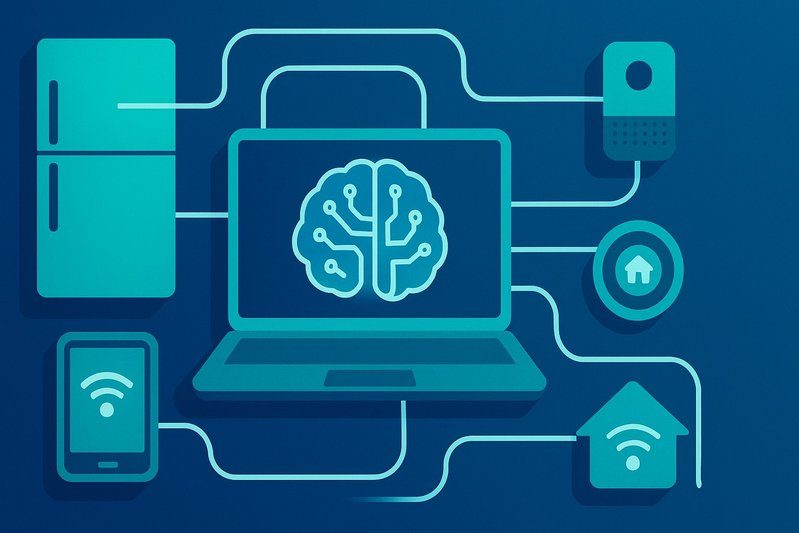
At CES 2026, the phrase “AI as a feature” was clearly obsolete. From laptops to refrigerators, AI has transitioned from a luxury add-on to a default component that redefines how technology interacts with users and environments. This year’s Consumer Electronics Show marked a pivotal moment, showcasing how artificial intelligence has become ingrained across the tech spectrum, promising a future where devices are smarter, industries more efficient, and our daily lives more connected.
AI on‑Device and Edge Computing
One of the most noticeable trends at CES was AI’s transition to on-device and edge computing. Intel, Qualcomm, and AMD introduced next-gen processors that placed AI at the heart of computing experiences. Intel’s Panther Lake chips, for instance, boasted a 60% performance improvement over previous generations due to advanced NPUs. Qualcomm’s Snapdragon X2 Plus extended AI capabilities to more affordable laptops with an 80-TOPS NPU. Meanwhile, AMD’s Ryzen AI 400 brought significant battery life improvements, claiming up to 24-hour longevity on select models.
The drive towards AI-capable devices didn’t stop at computing power. Samsung’s Vision AI Companion was a testament to this, providing conversational and generative AI features across their entire 2026 TV lineup. Such advancements are crucial for creating responsive, secure, and efficient tech experiences, particularly as devices increasingly rely on local AI processing to minimize latency and enhance privacy.
Innovations in Displays and Smart Home Technology
Large screens were the main attractions with Samsung debuting a groundbreaking 130-inch Micro RGB TV. This massive display wasn’t just about size; it encapsulated the integration of AI to enhance viewing experience through features like live translation and AI-driven calibration. The expansion of intelligent displays into smart homes signals a shift towards technology that not only serves but anticipates needs.
Smart home solutions highlighted how interconnected devices are shaping IoT landscapes. Samsung’s AI-driven refrigerator with Google Gemini exemplified this by integrating vision-based item recognition and meal planning into everyday appliances. The smart home narrative at CES was clear: orchestration and efficiency are taking precedence over mere novelty, with systems now offering energy-saving modes and interoperability standards like Matter and Thread for seamless operation across different devices.
Mobile, Wearables, and Health Tech as AI Conduits
The mobile and wearable sectors also leaned heavily on AI to offer enhanced, personalized user experiences. Samsung’s Galaxy Z TriFold showcased advancements in foldable technology, promising new multitasking possibilities, while the introduction of Lenovo’s Qira assistant underscored the shift toward ambient intelligence that bridges individual devices.
Health tech made significant strides, moving from monitoring to actionable insights. Withings’ “longevity station,” a smart scale capable of measuring over 60 biomarkers, underscored the promise of AI in preventive health care. Similarly, Auracast’s new standards for hearing accessibility demonstrated AI’s potential in creating inclusive digital environments that transcend traditional barriers.
From Autonomous Vehicles to Industrial Applications
The mobility sector at CES 2026 focused on making vehicles smarter rather than just driverless. NXP’s S32N7 processor series illustrated this shift, centralizing vehicle software for better efficiency and safety. In tandem, companies like Siemens used digital twins and automation to highlight the practical deployment of AI across industries, promising real-world value in manufacturing and infrastructure management.
Conclusion
As CES 2026 demonstrated, AI is not just changing technology; it’s changing how humans interact with it. By embedding AI deeply into the fabric of devices and systems, tech companies are crafting smarter, more intuitive products that enhance user experience while addressing modern challenges like privacy and sustainability. Over the next few years, these innovations promise to redefine industries and daily life, with AI leading the charge towards a more connected and efficient future.