Connecting the Unreachable: Space-Based Networks Lead the Charge in 2026
Revolutionary Advances in Space Connectivity Reshape Global Communication Landscapes
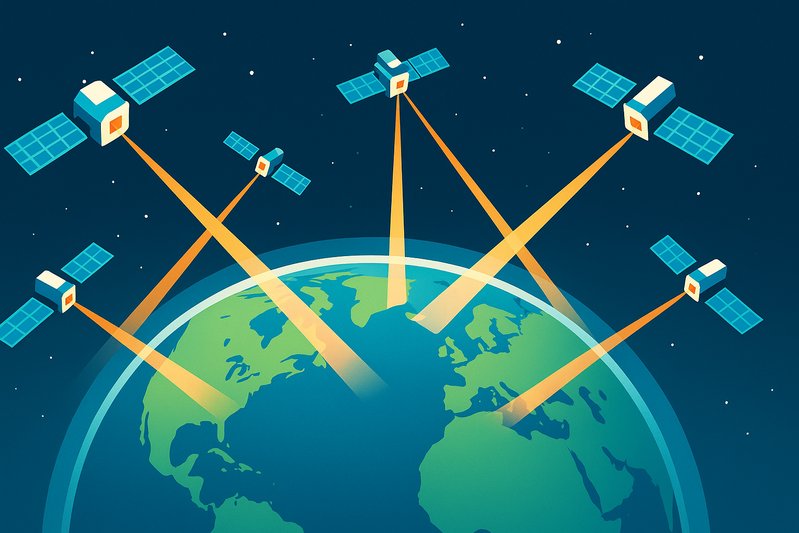
In a world increasingly interconnected by the invisible threads of digital communication, the year 2026 marks a seminal moment in bridging the digital divide. Once the domain of science fiction, the idea of seamless, global internet access powered by space-based networks is becoming reality. Satellite connectivity, particularly through ambitious initiatives like Starlink’s Direct-to-Cell architecture, is not only extending internet access to previously unreachable areas but also revolutionizing how we perceive communication itself.
The Dawn of Space-Based Connectivity
For decades, the potential of satellite technology to democratize internet access was bound by technical and economic constraints. However, the alignment of regulatory frameworks, technological advancements, and market-driven incentives has paved the way for a new era of connectivity. Starlink’s Direct-to-Cell initiative exemplifies these developments. Designed to link standard LTE phones directly to satellites, it first brings messaging capabilities to users, with voice and data services on the horizon.
The progress reported by Starlink underscores both the potential and the complexity of this initiative. Their public roadmap outlines device compatibility, spectrum bands, and a partner ecosystem that continues to expand. The ongoing constellation launches are crucial in enhancing coverage, reducing latency, and supporting remote enterprise and individual customers.
Unraveling the Implementation Challenges
Despite the promising potential, the road to universal satellite connectivity is not devoid of hurdles. Spectrum coordination and interference remain significant obstacles, as the competition for bandwidth intensifies and the risk of signal overlap increases. The technical challenge of link budget constraints—essentially the power requirements to establish and maintain a connection with devices as small as a smartphone—must also be overcome.
Regulatory environments further complicate the deployment of satellite-to-phone services. National licensing regimes vary widely, with stringent spectrum management and lawful intercept protocols posing additional challenges. Countries with large connectivity gaps and streamlined licensing are adopting these technologies more rapidly, whereas regions with strict data localization laws and intricate spectrum regimes are experiencing slower rollouts.
Regional Variations in Implementation
The success of satellite connectivity initiatives varies significantly across the globe, influenced heavily by regional regulatory and infrastructural norms. In countries like the United States, where regulatory flexibility and a competitive telecom market exist, Starlink and similar services can gain traction more rapidly. Conversely, European countries, guided by stringent data regulations and spectrum licensing, offer a more complex environment requiring careful navigation.
These regional discrepancies highlight the necessity for tailored approaches in deploying satellite connectivity. Operators must consider local regulatory frameworks, existing telecom infrastructure, and geopolitical considerations when planning expansions. This nuanced understanding is crucial for achieving operational and financial success in diverse markets.
Future Prospects: What Lies Ahead?
As space-based internet services continue to expand, several key developments are anticipated over the next few years. The integration of voice and data services into satellite connectivity frameworks is a primary goal, promising a truly holistic communication service that mimics traditional cellular networks. Further technological advances are expected to alleviate the current hardware limitations, such as antenna size and power consumption, thereby enhancing the feasibility of Direct-to-Cell services.
Moreover, as regulatory processes adapt to these technologies, there is the potential for more seamless global adoption. Collaborative efforts between space communication companies, national regulators, and international bodies could streamline licensing processes and foster innovation.
Conclusion: Key Takeaways
The move towards ubiquitous space-based connectivity represents a paradigm shift akin to the dawn of the internet itself. It promises to extend digital access to remote areas, drive economic development, and catalyze social change by bridging the digital divide. Yet, the journey is fraught with technical, regulatory, and economic challenges that require concerted efforts from stakeholders across the board.
To actualize this vision, ongoing innovation in satellite technology, strategic international collaboration, and adaptive regulatory frameworks are imperative. As we advance further into 2026, the potential for a fully connected world looms closer, inviting us all to reconsider the possibilities that lie beyond our earthly bounds.