Decoding Bottleneck Identification: Strategies for Optimizing the Technology Stack
Introduction: The Enigma of Bottlenecks
In the fast-paced world of technology, efficiency is king. Bottlenecks within technology stacks can thwart progress, leading to wasted resources and frustrated users. Identifying and addressing these bottlenecks is crucial not only to optimize performance but also to minimize costs and energy use. This article explores the multi-layered approach to bottleneck identification, drawing on strategies suggested in the 2026 Benchmarking and Optimization Playbook, especially regarding “Leak” approaches. By decoding the complexities of technology stacks, organizations can transform bottlenecks from invisible barriers into opportunities for growth and improvement.
Understanding the Layers: Where Bottlenecks Lurk
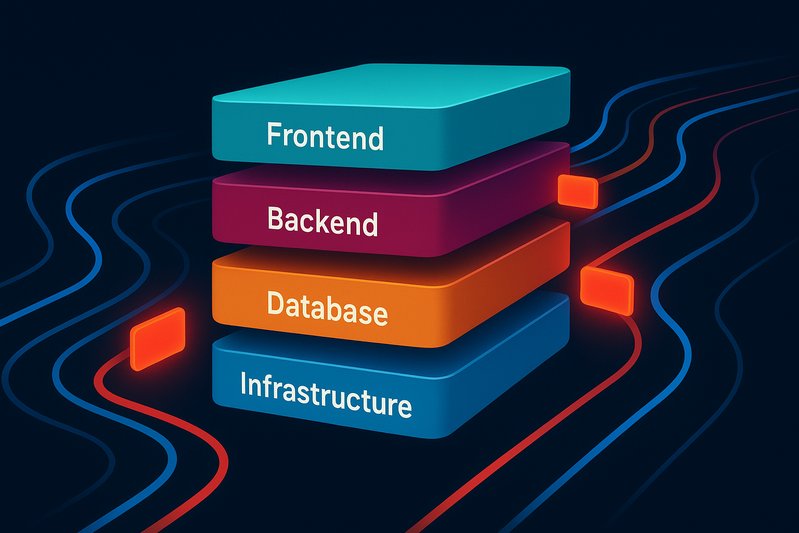
The 2026 Playbook outlines a comprehensive framework to identify and resolve bottlenecks across different layers of the technology stack, each layer bringing its unique challenges.
Algorithm and Data Structures
At the base of any stack lies the algorithm. Inefficient data structures or poor algorithm choices can lead to high Instruction Per Cycle (IPC) stalls and cache misses. Utilizing tools like flame graphs to visualize these hot spots is critical. Improvements such as switching data structures or adopting vectorization can enhance performance significantly. The playbook emphasizes eliminating redundant serialization and promotes zero-copy pathways [19].
Runtime/VM/GC
For high-level languages, the choice of runtime and garbage collectors influences performance significantly. The Playbook recommends experimenting with modern garbage collectors like ZGC or Shenandoah for JVM applications, and using tools like Go’s pprof for profiling to spot allocation hotspots [24]. Tailoring these settings to minimize pause times can alleviate bottlenecks related to memory management.
Synchronization and Scheduling
Lock contention is a familiar source of bottlenecks, especially in multi-threaded applications. High wait times for mutex locks, as indicated by futex waits, can bottleneck a system. Fine-tuning synchronization primitives, choosing lock-free designs when possible, and optimizing thread scheduling are key to mitigating these issues [51,52].
I/O and Storage
With I/O demands growing, reducing latency in this area is paramount. The Playbook suggests favoring modern interfaces like io_uring for its asynchronous benefits and lower overheads. Testing storage solutions with tools like fio helps ensure configurations are optimized for the workload [25].
Network and Transport
The network layer can also experience bottlenecks due to poor congestion control or excessive retransmissions. By adjusting congestion controls like CUBIC or BBR, and examining transport protocols through tools like iperf3, organizations can fine-tune their systems to handle increased loads without dropping efficiency [15,28].
Benchmarking and Beyond: Optimizing “Leak”
The Playbook details a structured approach to clarify and benchmark specific types of software “leaks” - common issues that can manifest as resource, information, or data pipeline leaks. By standardizing workloads and using robust datasets, the Playbook facilitates the replication of tests and comparisons across different environments [9].
Key to this process is ensuring that benchmarks are not merely reflective of ideal conditions but of realistic usage scenarios. Utilizing tools such as wrk2 and HdrHistogram allows organizations to maintain high fidelity in latency measurements, ensuring they capture tail latency effectively [2][3].
Harnessing Modern Tools
The comprehensive toolbox recommended includes open-source and industry-standard tools designed for 2026 and beyond.
- Load Generators: Use tools like k6 for distributed tests and consistent, predictable load generation [4].
- Resource Monitoring: Implement OpenTelemetry for unified metrics and tracing across applications, which helps in pinpointing bottlenecks with greater precision [16].
- Continuous Profiling: Tools such as Parca offer continuous profiling to detect long-term performance trends and subtle leaks that only manifest over extended periods [53].
Conclusion: Charting the Path Forward
Optimizing technology stacks for peak performance is akin to tuning a complex system; it requires a clear understanding of each component’s role and its interplay within the larger framework. The 2026 Playbook provides a meticulously researched roadmap that illustrates not only the identification of potential bottlenecks but their resolution through prioritized strategies. By applying these layered insights, organizations can ensure their technology stacks operate at maximum efficiency, effectively translating technical prowess into tangible business outcomes.
Ultimately, the capability to diagnose and mitigate bottlenecks is indispensable in the software development lifecycle. As we move towards more sophisticated and demanding computational needs, these methodologies will empower technical teams to better control their environments, ensuring resilience, scalability, and sustainability.