Exploring the 2026 Third‑Party Ecosystem for Instagram Success
Subtitle: Navigate the landscape of tools that amplify your Instagram strategies.
Instagram, a mammoth in the social media universe, continues to evolve, tugging along a bustling ecosystem of third-party tools that play a pivotal role in ensuring brands and creators not only survive but thrive on the platform. As of 2026, this landscape is more dynamic and sophisticated than ever, offering solutions that extend from publishing to analytics, all within the contours laid out by Instagram’s robust yet controlled platform policy. This article delves into these third-party tools’ landscape and how they supercharge Instagram strategies.
Evolving Around Instagram’s API Infrastructure
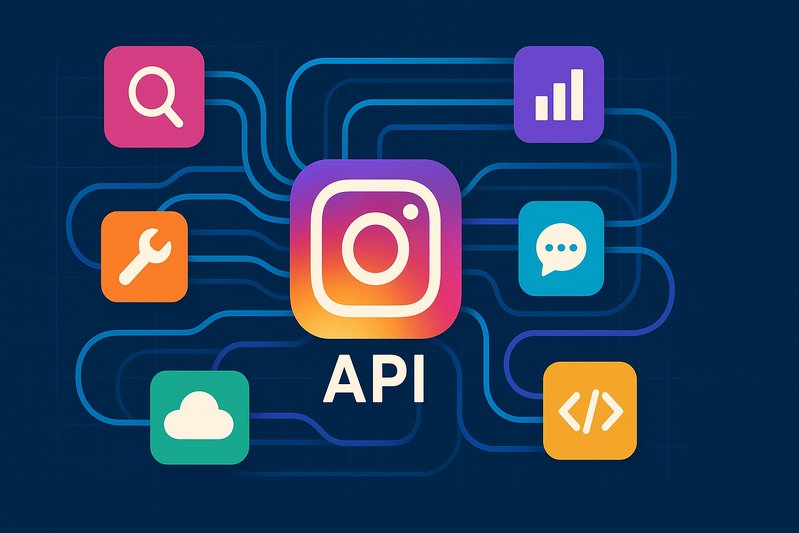
Instagram’s Graph API is at the core of how third-party tools integrate with the platform, especially for those using Instagram Professional Accounts. This API supports a suite of operations crucial to businesses, including media management, insights, and message automation through Meta’s Messenger API for Instagram [1]. With restrictions on what can be programmatically published—feed photos, videos, carousels, and Reels—third-party tools have adeptly utilized these opportunities to provide value-added services [2].
However, certain features like Stories and Instagram Live remain unavailable via API for publishing, pushing creative companies to strategize around these limitations [3]. It’s an ecosystem that rewards those who adapt to its constraints, offering third-party solutions that fill in these targeted needs effectively.
No-code Automation and Social Management
2026 has witnessed a surge in no-code automation solutions tailored for Instagram. Tools like Zapier and Make (Integromat) provide businesses the ability to automate publishing and engagement without diving into complicated code structures [45][46]. For instance, these platforms can trigger posts, moderate comments, and collate analytics, streamlining the day-to-day management of Instagram pages.
On the other hand, social management tools like Buffer, Later, and Sprout Social, deliver comprehensive solutions for scheduling posts, managing multiple accounts, and analyzing engagement metrics. These platforms leverage Instagram’s API for features like drafting posts, coordinating multiple channel engagements, and offering robust analytics [51][52][53].
From Data to Decisions: Making Use of Analytics Tools
Insight-driven decision-making makes Instagram a powerful tool for brands. To harness the vast amounts of data Instagram offers, tools such as Supermetrics and Fivetran have become essential [49][48]. These services extract data such as audience insights and engagement metrics, providing reports that feed into business intelligence platforms. Brands can thus make informed decisions—ranging from content strategy to customer engagement tactics—backed by solid data.
Commerce and Product Tagging
Instagram’s integration with Meta’s Commerce Platform further amplifies the potential of third-party tools in e-commerce [17]. Innovative solutions like Shopify’s app for Facebook & Instagram and WooCommerce’s integration enable businesses to sync product catalogs, set up Instagram Shops, and manage commerce activities seamlessly [43][44]. The convenience these platforms offer is crucial for brands looking to merge their social media presence with e-commerce capabilities effectively.
Challenges: Navigating Policies and Rate Limits
Despite the benefits, developers must be cautious of the limitations set by Instagram’s platform. Rate limits and stringent API policies, including extensive app reviews and permission layers, pose challenges that third-party developers must navigate carefully [14][12]. These constraints necessitate a disciplined approach to versioning, ensuring that integrations remain stable through updates and deprecations [15].
Conclusion: Key Strategies for Third‑Party Tool Success on Instagram
The success of third-party integrations with Instagram in 2026 lies in a harmonious adherence to Instagram’s API capabilities and policy constraints. By focusing on automation, analytics, and commerce solutions tailored to fit within prescribed limits, third-party tools can effectively enhance the Instagram experience for businesses and individual creators alike. As Instagram evolves, these tools must stay agile, ensuring compliance and innovation hand-in-hand to continue providing value in a competitive digital landscape.
Instagram remains a pivotal platform for brand storytelling and audience engagement. As long as third-party tools continue to align with its dynamic, yet structured policy framework, they can significantly amplify a brand’s key objectives and success metrics.