Mastering Progressive Delivery in Platform Transitions
Harness the Power of Blue-Green Deployments and Canary Releases to Minimize Risks
In today’s fast-paced digital environment, platforms need to evolve swiftly yet safely without causing disruptions to users. This complex balancing act can be achieved through progressive delivery strategies such as blue-green deployments and canary releases. These methodologies enable teams to seamlessly transition between platforms or update existing ones, minimizing risks while maintaining service continuity.
The Imperative of Progressive Delivery
When organizations plan a migration to a new platform, the overarching goal is to ensure that the change is smooth and non-intrusive. Progressive delivery techniques, notably blue-green deployments and canary releases, are crucial in achieving this balance.
Blue-Green Deployments
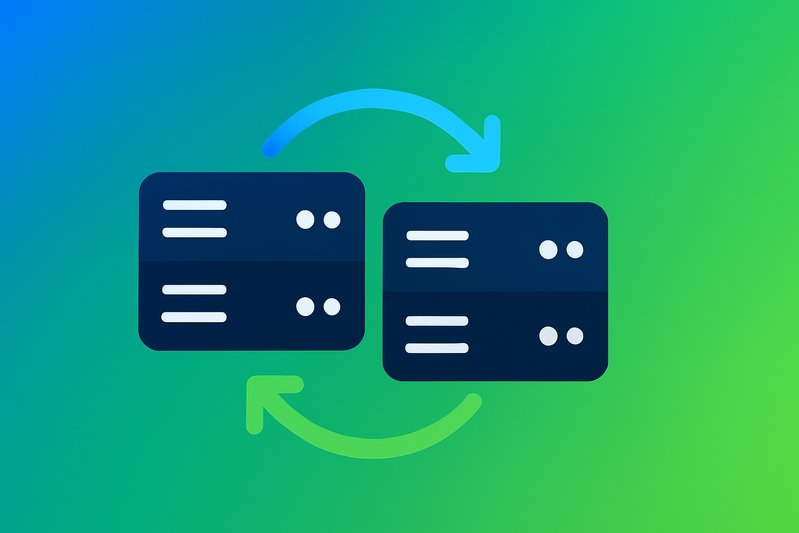
Blue-green deployment is a technique that maintains two identical production environments: one active (blue) and one idle (green). When changes are made, the new version is deployed to the idle environment. Once testing is complete, traffic is switched to the green environment, allowing for an almost instantaneous rollback if issues arise.
Such a setup is particularly beneficial for critical systems where downtime is not an option. It ensures that one environment is always live and functional, providing a fail-safe if unforeseen issues occur during deployment.
Canary Releases
Canary releases take a more incremental approach, directing a small percentage of traffic to the new version while the old one remains in use. This allows teams to observe the new implementation under real-world conditions without exposing it to the entire user base.
If performance metrics (such as error rates and latency) are within acceptable thresholds, the traffic can be gradually increased until the new version fully takes over. This technique helps mitigate the risks associated with new deployments, as only a small subset of users is affected initially.
Implementing Progressive Delivery with Modern Tools
Modern tools and methodologies have streamlined the implementation of progressive delivery.
For example, the Kubernetes ecosystem offers powerful tools like Argo Rollouts, which automates the deployment of canary releases with built-in monitoring and rollback capabilities (Argo Rollouts). Service meshes such as Istio facilitate these processes by providing advanced traffic management features to distribute requests across environments seamlessly (Istio Traffic Management).
Importance of Observability and Testing
Progressive delivery thrives on observability. Instruments like OpenTelemetry provide essential visibility by tracking data across distributed systems, enabling teams to monitor the impact of new deployments (OpenTelemetry).
Additionally, rigorous testing frameworks are vital. Incorporating feature flags allows teams to toggle features on or off without rolling back entire deployments, which is particularly useful in canary scenarios where features can be incrementally tested.
Strategic Considerations and Risks
While progressive delivery techniques are powerful, they are not without challenges. Organizations must ensure detailed planning and execution to prevent pitfalls such as data inconsistency and performance bottlenecks.
Ensuring Compatibility and Compliance
A critical aspect is ensuring compatibility across APIs, data schemas, and integrations (OpenAPI Specification). Institutions must also be mindful of compliance issues, especially concerning data residency and privacy laws like GDPR (GDPR Regulations).
Managing Change and Upgrades
The strategic use of progressive delivery should align with organizational capabilities to handle updates efficiently. This involves defining clear Service Level Objectives (SLOs) and error budgets to guide when and how to proceed with rollouts or when to orchestrate rollbacks.
Key Takeaways
In conclusion, mastering progressive delivery through blue-green deployments and canary releases is a cornerstone strategy for risk mitigation during platform transitions. By leveraging modern tools, rigorous testing, and solid monitoring practices, organizations can ensure a smooth transition to new platforms without disrupting user experience. While challenges exist, careful planning and execution can significantly mitigate risks, leading to enhanced reliability and scale resilience.
By embracing these advanced deployment strategies, businesses not only protect against the inherent risks of change but also fortify their operational capabilities to adapt swiftly in an ever-evolving digital landscape.