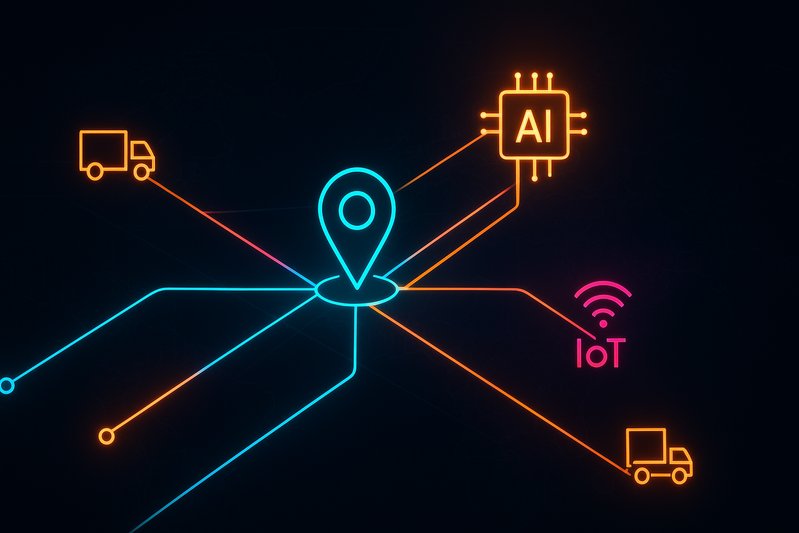
Revolutionizing Logistics: The Impact of Real-Time Visibility and Route Optimization
Harnessing the power of AI and IoT technologies is transforming the logistics sector by providing unprecedented real-time visibility and dynamic route optimization. This revolutionary approach enables efficient and adaptive transportation management, ensuring timeliness, reducing operational costs, and minimizing carbon emissions.
The Logistics Challenge
The complexity of modern supply chains requires precise coordination and monitoring. Logistics operators face challenges such as fluctuating demand, traffic congestion, port delays, and unpredictable weather conditions, all of which necessitate real-time decision-making capabilities. Historically, the lack of immediate data and predictive analysis has resulted in suboptimal routing, leading to increased costs and inefficiencies.
Integrating AI and IoT: The Solution
AI-driven Dynamic Routing: By integrating AI-driven algorithms, logistics companies can optimize routes dynamically in real-time. These algorithms consider a myriad of data inputs such as traffic conditions, weather forecasts, and shipment priorities to adjust routes on-the-fly. This adaptability ensures that delivery timelines are met while reducing fuel consumption and costs associated with delays.
Real-Time Visibility with IoT: IoT devices, such as telematics on trucks, provide real-time data on vehicle location, speed, and condition, enabling logistics firms to monitor shipments in transit. This visibility allows operators to react promptly to any disruptions, such as vehicle breakdowns or traffic jams, and reroute accordingly.
Case Studies in Success
Platforms like project44 and FourKites have demonstrated the transformative impact of these technologies (44)(45). They offer comprehensive visibility and route optimization solutions that integrate seamlessly with existing logistics infrastructures. These platforms collectively support global operations, ensuring that millions of shipments are delivered efficiently worldwide.
In a real-world application, a logistics company using these solutions reported a significant decrease in expedited shipment costs and improved on-time delivery performance by over 15%. Furthermore, the adoption of AI-based routing strategies resulted in a marked reduction in vehicles’ carbon emissions, highlighting the environmental benefits of smarter logistical operations.
Overcoming Challenges
Data Integration: One of the major barriers to implementing real-time visibility and dynamic routing is the integration of disparate data sources. Successful platforms overcome this by combining telematic data from vehicles with third-party traffic and weather data, ensuring a holistic view of the operating environment.
Regulatory Compliance: According to the AI Act Overview by the European Commission (28), logistics technology providers must also navigate complex regulatory landscapes. This includes ensuring data privacy compliance and maintaining robust cybersecurity measures.
The Future of Logistics
Looking ahead to 2026, we anticipate further advancements in this field, driven by increasing regulatory pressures and technological advancements. AI and IoT integrations will become more sophisticated, offering logistics providers more precise tools for managing extensive and complex networks. This evolution will not only enhance operational efficiencies but will also contribute significantly to sustainability initiatives by facilitating the reduction of carbon footprints across global supply chains.
Conclusion
The integration of AI and IoT technologies in logistics presents a transformative opportunity for the industry. By enhancing real-time visibility and enabling dynamic route optimization, logistics providers can significantly improve their operational efficiency, reduce costs, and meet environmental sustainability goals. As we move closer to 2026, these innovations are set to redefine the logistics landscape, setting a new standard for operational excellence.