Safety, Security, and Surveillance: The Role of Robotics in Defense
Examining the Transformative Impact of Robotics Technology on Global Defense
In an era defined by rapid technological advancements, the role of robotics, particularly drones and automation, in the defense sector has become increasingly pivotal. From enhancing battlefield tactics to ensuring national security through surveillance, robotics technology is reshaping military operations. This transformation is driven by the integration of artificial intelligence (AI), automation, and collaborative robotics, offering unprecedented capabilities in defense and security.
The Rise of Robotics in Defense
The deployment of robotics in defense stretches beyond traditional combat operations. A critical example is the widespread adoption of drones, which have been instrumental in intelligence, surveillance, and reconnaissance (ISR) missions across the globe. According to various industry reports, the global market for robotics in defense is experiencing a resurgence, driven by geopolitical tensions and evolving security needs ([1]).
Drones: The Eye in the Sky
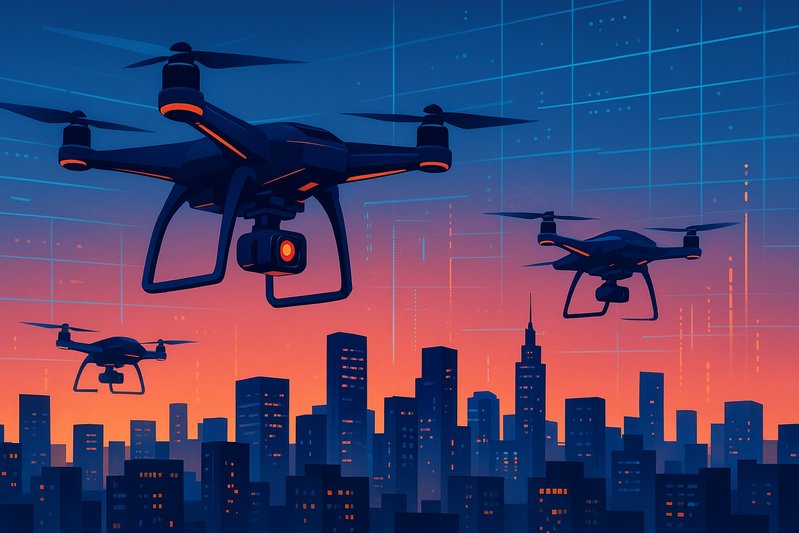
Drones, or unmanned aerial vehicles (UAVs), serve as the quintessential example of robotics enhancing defense capabilities. As of 2026, their usage spans border surveillance, strategic reconnaissance, and even tactical strikes. Enterprise adoption of drones continues to grow, albeit tempered by regulatory constraints, particularly in the U.S. where federal procurement policies limit the use of drones from certain origins due to security concerns ([16]). These policies underscore the importance of developing and maintaining a secure supply chain free from potential geopolitical risks.
Automation in Logistics and Warfare
The integration of Automated Mobile Robots (AMRs) within military logistics has revolutionized supply chain efficiency. By 2026, the robotics market is witnessing substantial installations of industrial robots and AMRs, with Asia leading the charge ([2]). Strategic investments in robotics foster enhanced operational effectiveness, particularly in logistics. These technologies streamline operations from base maintenance to rapid deployment of supplies and personnel, significantly reducing human error and operational fatigue.
Mobile Robotics and Cobot Advancements
In addition to drones and AMRs, collaborative robots, or cobots, are finding increasing applications within defense contexts. Unlike traditional industrial robots, cobots are designed to work alongside soldiers, assisting with tasks that require precision and repetition. These robots enhance operational safety and efficiency by performing tasks such as assembly and maintenance in potentially hazardous environments ([8]). As programmable and adaptive entities, cobots offer flexibility in field operations that was previously unattainable with more rigid robotic solutions.
Challenges and Regulatory Considerations
The burgeoning adoption of robotics in defense is not without its challenges. Regulatory concerns, particularly around AI governance and export controls, have significant implications. The European Union’s AI Act provides a regulatory framework that influences how AI-driven robots are deployed, ensuring they meet safety and transparency standards ([27]). In the U.S., export controls continue to play a crucial role in shaping the robotics supply chain, especially concerning drones that utilize advanced computing technology ([28]).
The Importance of Safety Standards
Ensuring the safety and trustworthiness of robotics in defense applications is paramount. The International Organization for Standardization (ISO) provides safety guidelines, such as ISO/TS 15066 for collaborative robots, which are critical for maintaining operational integrity and trust in these systems ([22]). Having these standards in place ensures that regardless of the operating environment, robotics systems are safe to interact with human personnel while maintaining high operational standards.
The Future Outlook: Toward a More Automated Defense
Looking ahead, the role of robotics in defense will likely continue to expand into new applications. As robotics technologies become more sophisticated, the potential for remote or autonomous operations in high-risk environments becomes more viable. Development focuses on enhancing the dexterity and decision-making capabilities of robots, enabling them to undertake more complex tasks with minimal oversight.
Key Takeaways
- UAVs and Drones: The utilization of drones for surveillance and reconnaissance continues to grow, with a focus on secure and compliant supply chains.
- AMRs and Cobots: Automation in logistics through AMRs boosts efficiency, while cobots enhance safety and operational capabilities alongside military personnel.
- Regulatory Environment: Stricter regulations and standards guide the safe deployment of AI and robotics in defense applications, ensuring compliance and operational security.
In conclusion, the robotics revolution within the defense sector is not just a possibility but a present reality, fundamentally shaping how military operations are conducted. With stringent regulatory frameworks and a continued emphasis on safety and innovation, robotics in defense will continue to evolve, offering new opportunities and challenging traditional paradigms of security and surveillance.