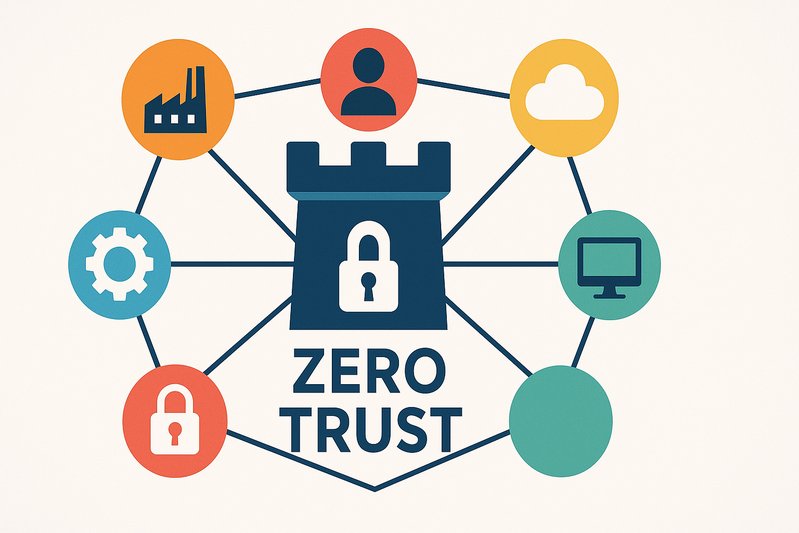
Sector-Specific Strategies: Zero Trust Adoption and Architecture Across Industries
Analyzing how different sectors are adopting Zero Trust principles and technologies.
Introduction
In the ever-evolving landscape of cybersecurity, the shift toward a Zero Trust architecture has moved from a burgeoning concept to a reality. As threats become more sophisticated, sectors across the board are implementing Zero Trust principles to safeguard their digital assets. This article explores the tailored adoption strategies of Zero Trust across various industries and examines what these implementations mean for the future of enterprise security architecture.
The Maturity of Zero Trust Technologies
Since 2023, Zero Trust technologies have reached a maturity level that allows for widespread adoption. Key pillars like phishing-resistant passwordless authentication via FIDO2/WebAuthn, continuous access evaluations, and identity-based microsegmentation have achieved production scale. With these advancements, organizations can reduce the effectiveness of credential phishing and improve security policy enforcement across multi-cloud environments.
Phishing-Resistant, Passwordless Authentication
FIDO2 has become a gold standard for multi-factor authentication, reducing reliance on passwords and significantly lowering the risk of phishing attacks. As enterprise programs target broader adoption of passkeys, sectors such as financial services and healthcare are at the forefront, ensuring administrators and high-risk users are better protected.
ZTNA and SSE: The New Norm for Remote Access
With the phasing out of traditional VPNs, Zero Trust Network Access (ZTNA) supported by Security Service Edge (SSE) is now the preferred model for secure remote access. This paradigm shift is evident in the public sector, where strategies prioritize identity-centric access, enhancing security while reducing operational complexities.
Sector-Specific Adoption: A Closer Look
Public Sector
Government agencies are among the most structured in adopting Zero Trust, driven by mandates like the U.S. Federal Zero Trust strategy and CISA’s maturity model. Strategies include phishing-resistant MFA, device and workload identities, and ZTNA for private applications, setting measurable milestones to advance security postures across sprawling IT landscapes.
Financial Services
With the EU’s Digital Operational Resilience Act (DORA) coming into effect in 2025, financial entities prioritize identity-first access and software supply chain assurance through SSDF attestations and SBOMs. The sector’s focus on operational resilience and compliance makes it a leader in policy-as-code authorization and confidential computing for sensitive transactions.
Critical Infrastructure
Industries with significant operational technology (OT) components, like energy and utilities, face unique challenges. The gradual application of Zero Trust through network zoning, identity-aware access to control systems, and monitored IT/OT interfaces is ensuring that these sectors progress from hardening perimeters to deeper segmentation strategies.
Technology and SaaS
Tech companies naturally lead in deploying engineering-driven Zero Trust capabilities like service meshes and continuous access signal exchanges. These firms often set benchmarks for others, with BeyondCorp-style architectures serving as templates for Zero Trust implementations across varied sectors.
Healthcare and Manufacturing
Healthcare’s response to ransomware and regulatory demands includes deploying phishing-resistant MFA and endpoint risk signals to protect electronic health records. Manufacturing, meanwhile, focuses on micro-segmentation and brokered access to OT environments, emphasizing workload identity integration in new industrial IoT setups.
Architectural and Operating Model Transformations
Zero Trust affects not just technology stacks but also the operational models of organizations. With standardized telemetry and security automation via tools like OpenTelemetry, Security Operations Centers (SOCs) enhance their ability to ingest, normalize, and analyze data in real-time. Identity and Access Management (IAM) extend beyond users to encompass machines, underpinning a unified security program that spans human and automated entities.
Challenges and Considerations
Adopting Zero Trust is not without hurdles. Legacy systems, skill gaps, and governance complexities pose significant barriers. The integration of policy-as-code, service meshes, and identity-centric segmentation requires cross-functional expertise and a shift in security culture. Additionally, the need for high-quality data governance frameworks is critical to managing the complexity of protecting data in varied jurisdictions.
Conclusion
As Zero Trust becomes a defining feature of modern cybersecurity strategies, its sector-specific adoption highlights both the shared goals and unique challenges faced by different industries. By prioritizing phased rollouts and focusing on the integration of advanced identity management and network access solutions, organizations can achieve a robust security framework that anticipates future threats. This continued journey toward Zero Trust is poised to redefine security standards and practices across the globe.
Key Takeaways
-
Mature Technologies: Key Zero Trust components are production-ready and gaining broad adoption, with a significant impact on credentials security and policy enforcement.
-
Sector Strategies: Public sector, financial services, and tech companies lead the pack in Zero Trust adoption; each faces unique challenges and opportunities based on their operational contexts.
-
Architectural Impact: Zero Trust is reshaping enterprise architectures by emphasizing identity, segmentation, and data control, thereby enhancing resilience against evolving cyber threats.
-
Operational Changes: New operating models are emerging, with increased reliance on telemetry and identity-based controls, necessitating a shift in both technology and personnel capabilities.
By leveraging these insights, organizations across the board can better navigate the complexity of Zero Trust adoption and secure their infrastructures against the persistent and evolving cyber threat landscape.